Our Three Step Process
February 7, 2024
How Top Global Brands Use Digital Marketing to Dominate — and What We Can Learn From Them
Our Three Step Process
February 7, 2024
How Top Global Brands Use Digital Marketing to Dominate — and What We Can Learn From Them
t Lupix, we don’t just scroll past great campaigns — we study them. Why? Because the secrets to breakthrough growth are hidden in the stories of brands that have already done it.
At Lupix, we don’t just scroll past great campaigns — we study them. Why? Because the secrets to breakthrough growth are hidden in the stories of brands that have already done it.
This isn’t just another list of cool campaigns. This is your marketing playbook drawn from real brands, real results, and real strategy.
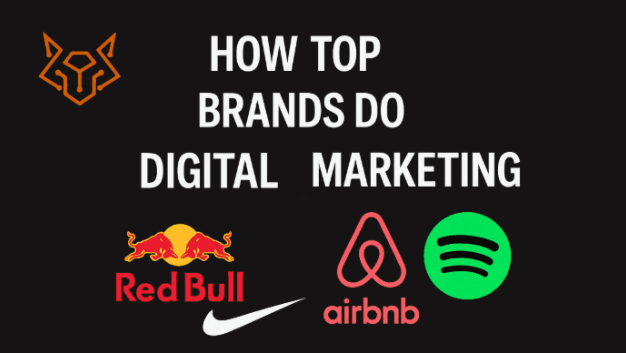
We’ll dive deep into:
Kylie Jenner's billion-dollar Lip Kit empire
Red Bull’s media revolution
Nike’s emotional storytelling
Airbnb’s user-powered campaign magic
Spotify’s viral data moment
Let’s unpack how they did it, and more importantly, how you can apply the same logic to your business — even without a million-dollar budget.
💄 Case Study 1: Kyliecosmetics — How a Lip Kit Became a Lifestyle
In 2015, Kylie Jenner launched Kylie Cosmetics Kyliecosmetics with one product: a lip kit.
Within minutes of launch, it sold out.
Within a year, it had crossed $300 million in revenue.
So, what made it explode?
Instead of launching with a traditional ad campaign, Kylie built anticipation like a music artist releasing a hit album.
Here's how:
Scarcity as strategy: Kylie created hype by limiting inventory. “Sold out” became part of the brand identity. Customers didn't just want the product — they wanted the bragging rights of having it.
Instagram-first approach: Kylie used her own massive following, but she didn’t just post. She showed transformation — before/after looks, makeup routines, and behind-the-scenes packaging days.
Influencer marketing without paying for it: When the buzz started, smaller influencers joined in voluntarily just to be part of the trend. It became self-sustaining.
Lifestyle > product: She wasn’t selling lipstick. She was selling Kylie Jenner’s lifestyle in a tube — a look, a vibe, an identity.
✅ What to learn:
Don’t just sell a product. Sell what that product allows your customer to become. If you’re launching anything, build hype + scarcity into the campaign from day one. And make sure the founder’s personal brand is part of the equation — especially in beauty, fashion, and lifestyle.
🐂 Case Study 2: Red Bull — The Brand That Gave Itself Media Wings
Red Bull never tried to win by shouting louder. RedBulll
They won by changing the game completely.
Instead of competing with Pepsi or Coke on TV ads or product features, Red Bull turned itself into a media company that just happens to sell an energy drink.
Let’s break it down.
What they did:
Sponsored extreme sports instead of mainstream events — skateboarding, cliff diving, snowboarding, BMX — things that aligned with energy.
Created Red Bull Media House, producing high-quality YouTube videos, documentaries, and Red Bull TV.
Pulled off the most daring stunt in brand history — the space jump by Felix Baumgartner, where he jumped from the edge of space. Over 8 million people watched it live.
What made this work?
Red Bull stopped selling features and started selling adrenaline. They never said, “Our drink has caffeine + taurine.” They said, “If you love living on the edge, we’re your people.”
Their content wasn’t just cool — it was built for YouTube virality, high production quality, and deep brand alignment.
They created a content ecosystem so powerful, it draws millions even if you don’t care about the drink.
✅ What to learn:
Build your brand around a core emotion or identity. Red Bull = adrenaline. What does your brand = ? Think of your brand as a content creator. Don’t just sponsor events — create your own if you can. Even at a small scale, this strategy works.
👟 Case Study 3: Nike — Turning Motivation into Marketing
In 2020, during the peak of global uncertainty, Nike released a campaign called “You Can’t Stop Us.”
It wasn’t just a video. It was a cultural moment.
With stunning split-screen editing, Nike paired athletes from different sports, backgrounds, and countries — but each clip mirrored the other in perfect symmetry.
The message? Even if the world is on pause, you can’t stop the human spirit. And you definitely can’t stop sport.
What made it work?
The video wasn’t selling shoes. It was selling hope, unity, and resilience — all tied to the brand identity.
It featured real athletes — not scripted scenes — and represented diversity at a time when the world needed it.
It used the perfect combination of emotional storytelling + production mastery.
Nike’s tagline didn’t change. They just made it mean more.
✅ What to learn:
Emotions are the highest converting content. If you’re not making people feel something, they won’t remember you. Use current events wisely — but align them with your core brand message. You don’t need a huge budget — just powerful storytelling + strong visuals.
🏡 Case Study 4: Airbnb — Trust Built Through Storytelling
Airbnb’s 2021 campaign “Made Possible by Hosts” flipped the script on hospitality marketing.
Instead of showcasing luxury rooms or fancy features, Airbnb focused on the people behind each listing — the hosts and guests.
They showed:
Families reuniting after lockdown
Solo travelers discovering hidden towns
Hosts adding personal touches like welcome notes or homemade meals
Why it worked:
It felt real. These weren’t actors. These were real stories from real stays.
Airbnb didn’t talk about low prices or convenience. They sold belonging. ("Belong anywhere" is their brand promise for a reason.)
Every campaign asset — from Instagram ads to YouTube pre-rolls — felt like a mini documentary.
✅ What to learn:
If you're in a service industry, your best content is likely sitting in your reviews and testimonials. Show your product in action, not just in studio. People trust other people’s stories more than your brochure.
🎧 Case Study 5: Spotify — Turning Data Into Viral Moments
Every December, something magical happens online: People start sharing colorful graphics with their most-played songs, genres, and listening minutes.
That’s Spotify Wrapped — one of the most successful digital marketing stunts ever.
What makes it genius:
It takes your own data and turns it into a beautiful, personalized story.
It gives you an identity moment: “Look how cool my music taste is.”
It’s made for screenshots and sharing — literally, the graphics are designed for Instagram Stories.
It rewards loyalty — if you listened all year, you get Wrapped. If not, you get FOMO.
Wrapped isn’t just a campaign — it’s an annual tradition now. People wait for it. Talk about it. Even switch from other apps to Spotify just to get it.
✅ What to learn:
Use data storytelling. Your insights and analytics can become compelling content. Create recurring campaigns people expect and share. Make your customers the main character. Let them promote your brand for you.
💡 Final Thoughts: Big Lessons, Small Budgets
You might not have Kylie’s followers, Red Bull’s budget, or Nike’s video team.
But here’s what you do have:
The ability to tell better stories
Access to the same platforms that the big brands use
A creative partner (hi, that’s us at Lupix 👋) to help you execute campaigns with strategy and heart
The common thread in all of these brands?
They don’t sell features. They sell feelings. They don’t push products. They pull people in.
So if you're a startup, creator, or business looking to grow — stop thinking like a seller.
Start thinking like a movement-maker.
📩 Let’s turn your next campaign into your Spotify Wrapped moment or Red Bull-style event — but tailored to your brand voice and budget.




t Lupix, we don’t just scroll past great campaigns — we study them. Why? Because the secrets to breakthrough growth are hidden in the stories of brands that have already done it.
At Lupix, we don’t just scroll past great campaigns — we study them. Why? Because the secrets to breakthrough growth are hidden in the stories of brands that have already done it.
This isn’t just another list of cool campaigns. This is your marketing playbook drawn from real brands, real results, and real strategy.
We’ll dive deep into:
Kylie Jenner's billion-dollar Lip Kit empire
Red Bull’s media revolution
Nike’s emotional storytelling
Airbnb’s user-powered campaign magic
Spotify’s viral data moment
Let’s unpack how they did it, and more importantly, how you can apply the same logic to your business — even without a million-dollar budget.
💄 Case Study 1: Kyliecosmetics — How a Lip Kit Became a Lifestyle
In 2015, Kylie Jenner launched Kylie Cosmetics Kyliecosmetics with one product: a lip kit.
Within minutes of launch, it sold out.
Within a year, it had crossed $300 million in revenue.
So, what made it explode?
Instead of launching with a traditional ad campaign, Kylie built anticipation like a music artist releasing a hit album.
Here's how:
Scarcity as strategy: Kylie created hype by limiting inventory. “Sold out” became part of the brand identity. Customers didn't just want the product — they wanted the bragging rights of having it.
Instagram-first approach: Kylie used her own massive following, but she didn’t just post. She showed transformation — before/after looks, makeup routines, and behind-the-scenes packaging days.
Influencer marketing without paying for it: When the buzz started, smaller influencers joined in voluntarily just to be part of the trend. It became self-sustaining.
Lifestyle > product: She wasn’t selling lipstick. She was selling Kylie Jenner’s lifestyle in a tube — a look, a vibe, an identity.
✅ What to learn:
Don’t just sell a product. Sell what that product allows your customer to become. If you’re launching anything, build hype + scarcity into the campaign from day one. And make sure the founder’s personal brand is part of the equation — especially in beauty, fashion, and lifestyle.
🐂 Case Study 2: Red Bull — The Brand That Gave Itself Media Wings
Red Bull never tried to win by shouting louder. RedBulll
They won by changing the game completely.
Instead of competing with Pepsi or Coke on TV ads or product features, Red Bull turned itself into a media company that just happens to sell an energy drink.
Let’s break it down.
What they did:
Sponsored extreme sports instead of mainstream events — skateboarding, cliff diving, snowboarding, BMX — things that aligned with energy.
Created Red Bull Media House, producing high-quality YouTube videos, documentaries, and Red Bull TV.
Pulled off the most daring stunt in brand history — the space jump by Felix Baumgartner, where he jumped from the edge of space. Over 8 million people watched it live.
What made this work?
Red Bull stopped selling features and started selling adrenaline. They never said, “Our drink has caffeine + taurine.” They said, “If you love living on the edge, we’re your people.”
Their content wasn’t just cool — it was built for YouTube virality, high production quality, and deep brand alignment.
They created a content ecosystem so powerful, it draws millions even if you don’t care about the drink.
✅ What to learn:
Build your brand around a core emotion or identity. Red Bull = adrenaline. What does your brand = ? Think of your brand as a content creator. Don’t just sponsor events — create your own if you can. Even at a small scale, this strategy works.
👟 Case Study 3: Nike — Turning Motivation into Marketing
In 2020, during the peak of global uncertainty, Nike released a campaign called “You Can’t Stop Us.”
It wasn’t just a video. It was a cultural moment.
With stunning split-screen editing, Nike paired athletes from different sports, backgrounds, and countries — but each clip mirrored the other in perfect symmetry.
The message? Even if the world is on pause, you can’t stop the human spirit. And you definitely can’t stop sport.
What made it work?
The video wasn’t selling shoes. It was selling hope, unity, and resilience — all tied to the brand identity.
It featured real athletes — not scripted scenes — and represented diversity at a time when the world needed it.
It used the perfect combination of emotional storytelling + production mastery.
Nike’s tagline didn’t change. They just made it mean more.
✅ What to learn:
Emotions are the highest converting content. If you’re not making people feel something, they won’t remember you. Use current events wisely — but align them with your core brand message. You don’t need a huge budget — just powerful storytelling + strong visuals.
🏡 Case Study 4: Airbnb — Trust Built Through Storytelling
Airbnb’s 2021 campaign “Made Possible by Hosts” flipped the script on hospitality marketing.
Instead of showcasing luxury rooms or fancy features, Airbnb focused on the people behind each listing — the hosts and guests.
They showed:
Families reuniting after lockdown
Solo travelers discovering hidden towns
Hosts adding personal touches like welcome notes or homemade meals
Why it worked:
It felt real. These weren’t actors. These were real stories from real stays.
Airbnb didn’t talk about low prices or convenience. They sold belonging. ("Belong anywhere" is their brand promise for a reason.)
Every campaign asset — from Instagram ads to YouTube pre-rolls — felt like a mini documentary.
✅ What to learn:
If you're in a service industry, your best content is likely sitting in your reviews and testimonials. Show your product in action, not just in studio. People trust other people’s stories more than your brochure.
🎧 Case Study 5: Spotify — Turning Data Into Viral Moments
Every December, something magical happens online: People start sharing colorful graphics with their most-played songs, genres, and listening minutes.
That’s Spotify Wrapped — one of the most successful digital marketing stunts ever.
What makes it genius:
It takes your own data and turns it into a beautiful, personalized story.
It gives you an identity moment: “Look how cool my music taste is.”
It’s made for screenshots and sharing — literally, the graphics are designed for Instagram Stories.
It rewards loyalty — if you listened all year, you get Wrapped. If not, you get FOMO.
Wrapped isn’t just a campaign — it’s an annual tradition now. People wait for it. Talk about it. Even switch from other apps to Spotify just to get it.
✅ What to learn:
Use data storytelling. Your insights and analytics can become compelling content. Create recurring campaigns people expect and share. Make your customers the main character. Let them promote your brand for you.
💡 Final Thoughts: Big Lessons, Small Budgets
You might not have Kylie’s followers, Red Bull’s budget, or Nike’s video team.
But here’s what you do have:
The ability to tell better stories
Access to the same platforms that the big brands use
A creative partner (hi, that’s us at Lupix 👋) to help you execute campaigns with strategy and heart
The common thread in all of these brands?
They don’t sell features. They sell feelings. They don’t push products. They pull people in.
So if you're a startup, creator, or business looking to grow — stop thinking like a seller.
Start thinking like a movement-maker.
📩 Let’s turn your next campaign into your Spotify Wrapped moment or Red Bull-style event — but tailored to your brand voice and budget.
Other Blogs
Other Blogs
Check our other project Blogs with useful insight and information for your businesses



Other Blogs
Other Blogs
Check our other project Blogs with useful insight and information for your businesses